

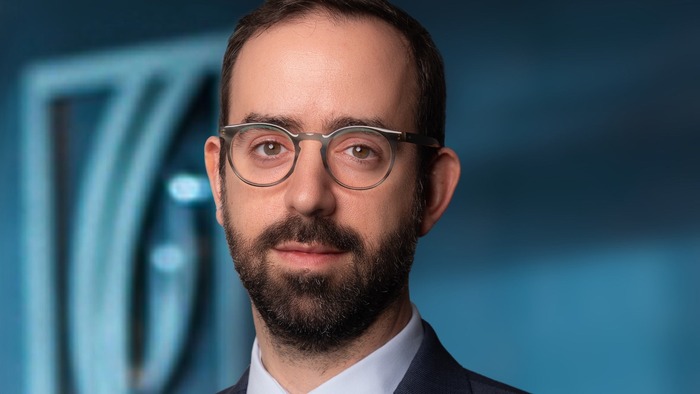
MUFG has appointed Edward Bell as head of research for the Middle East and North Africa, adding one of the Gulf's more widely quoted macroeconomists to the Japanese bank's regional franchise.
Bell joins from Emirates NBD, where he spent more than a decade covering Middle East macroeconomics, markets and commodities. His most recent title at the Dubai lender was acting chief economist and group head of research, and he had earlier run market economics there, a brief spanning commodities, currencies and interest rates. Over that period he became a regular commentator on Gulf growth, oil revenue and the regional transmission of United States monetary policy, which in the dollar pegged economies of the Gulf Cooperation Council is close to the whole of the domestic rates story.
He will be based in Dubai and will cover the Middle East, Turkey and energy markets. He reports locally to Wael Al Sharif, who leads global corporate and investment banking for MUFG in the region, and to Derek Halpenny, the London based head of research for global markets in Europe, the Middle East and Africa, and for international securities. He holds degrees from the University of London and the University of Toronto.
The appointment says something about where the large international banks now think the research contest is being fought. For most of the past decade, sell side coverage of the Gulf was thin and often written from London or Singapore, on the reasonable view that a handful of dollar pegged economies running on oil did not need a dedicated desk. That assumption has aged badly. Saudi Arabia and the United Arab Emirates have become two of the most active sovereign and corporate debt issuers in the emerging market universe, the region's equity markets have absorbed a long run of large privatisations, and the fiscal arithmetic of the giga projects has made the oil price assumption behind each budget a genuinely contested question rather than a footnote.
For MUFG specifically, research is the supporting argument for a debt capital markets and lending business that has been building in the region for several years. The bank has been expanding its Dubai presence across coverage and capital markets, and a named regional head of research gives its syndicate desks something to sell against when they compete for Gulf sovereign and corporate mandates. Pairing the Middle East with Turkey and energy in one remit is also a telling piece of scoping. It groups the region with the market whose rate cycle has been the most volatile in the wider neighbourhood, and attaches both to the commodity that still sets the fiscal weather across the Gulf.
Bell's departure leaves a gap at Emirates NBD, which has one of the longer established research franchises among the Gulf's domestic banks and whose economists are quoted across regional and international media. The bank has not yet named a successor.