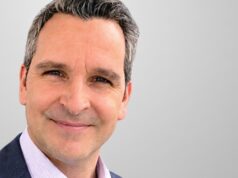


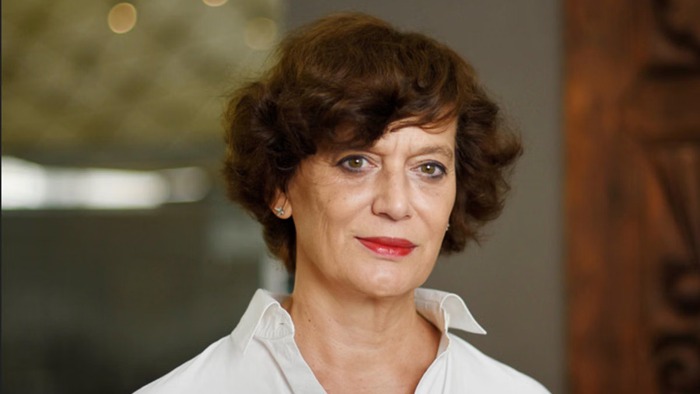
Louvre Abu Dhabi has appointed Souraya Noujaim as its director, returning to the museum a curator who helped shape its scholarly programme during its first years and who went on to lead the Islamic art holdings of the Musee du Louvre in Paris. The appointment was made public on 7 October.
Noujaim was the museum's first scientific, curatorial and collections management director, serving from 2018 until 2023. In that period she launched Art Here, the contemporary art exhibition series that accompanies the museum's annual art prize, and she co-curated the Mamluks exhibition on the legacy of the empire with Carine Juvin. She left Abu Dhabi to become director of the Department of Islamic Arts at the Musee du Louvre and chief of the French grand departmental heritage group for Islamic art, a post that put her at the head of one of the largest collections of its kind in Europe.
Born in Beirut, Noujaim holds a doctorate in Islamic art history and archaeology from Paris Nanterre University. In a statement issued with the announcement she said she was honoured to return to Abu Dhabi and to lead the institution into its next chapter, describing the museum as a place where cultures meet.
She succeeds Manuel Rabate, the founding director who opened the museum and announced his departure earlier this year to take up the directorship of the Kiran Nadar Museum of Art in New Delhi. The transition is the first change of leadership in the museum's history and comes as the institution approaches the tenth anniversary of its opening.
Louvre Abu Dhabi was the first institution to open in the Saadiyat Cultural District and has now operated for nine years. It rests on an intergovernmental agreement signed between France and Abu Dhabi in 2007, under which Agence France-Museums coordinates the use of the Louvre name and the loan of works from French national collections. That agreement, originally running for three decades, has since been extended to 2047. The museum sits within the portfolio of the Department of Culture and Tourism Abu Dhabi, which is building out a cluster of institutions on Saadiyat Island including the Zayed National Museum.
The composition of what visitors see has shifted markedly over that period. At opening, roughly a third of the initial display came from the museum's own holdings and about 70 per cent was on loan from France. Today close to two thirds of the permanent display is drawn from the museum's own collection, a change that gives the incoming director a far stronger base from which to build exhibitions and a far greater curatorial responsibility than her predecessor inherited. Noujaim's record in both acquisition-driven curatorial work and in running a major national department suggests the appointment is aimed squarely at that next phase.