

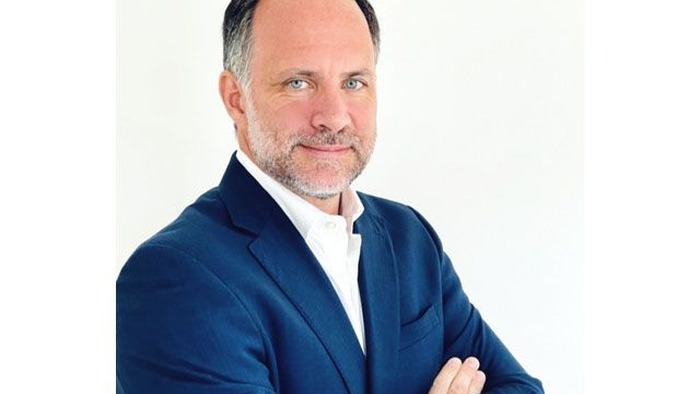
Sompo International has appointed Nicolas Berg as chief executive officer of its UK insurance business, effective 1 October 2026 and subject to regulatory approval. He will be based in London and will report to Alessa Quane, chief executive of international markets.
Berg joins from SCOR, where he was chief executive of the group's US operation and head of property and casualty for North America. Before that he spent twenty five years at AIG, where his roles included head of liability and financial lines for the United Kingdom, Lloyd's and the wider EMEA region, a seat on the AIG Europe Ltd executive committee, chair of the insurer's risk committee, and chief claims officer for North America. While at SCOR he was elected chair of the Reinsurance Association of America.
A UK book still bedding in after Aspen
Sarah Stanford steps down on 30 September 2026, having led the business through the initial integration that followed Sompo's acquisition of Aspen Insurance Holdings. That timing matters for reading the appointment: the UK operation Berg inherits is a combined book rather than a settled one, and the work of putting two underwriting cultures onto one appetite and one set of systems is the phase that follows the deal rather than the phase that closes it.
Quane framed the hire around breadth. "As an established insurance executive with deep industry knowledge and significant UK and global market experience, Nic brings a dynamic and forward-looking approach to leadership," she said.
Claims and liability, not distribution
The shape of Berg's career is the most useful signal here. A quarter century at AIG spanning liability and financial lines, insurance risk and, notably, the chief claims officer role for North America is a technical underwriting and reserving background rather than a distribution one. Followed by running a reinsurer's US property and casualty business, it describes an executive whose instincts are about what a book actually costs to carry.
That is a defensible thing to want in a London market business absorbing an acquisition. The commercial risk in an integration of this kind is that the merged appetite quietly drifts wider than either predecessor's, and that the consequences arrive two or three years later in the reserves. An incoming chief executive who has run claims at scale and chaired an insurer's risk committee is positioned to hold that line, though he arrives having spent recent years in the United States rather than in Lloyd's, and the regulatory approval still has to come through before he can act on any of it.