


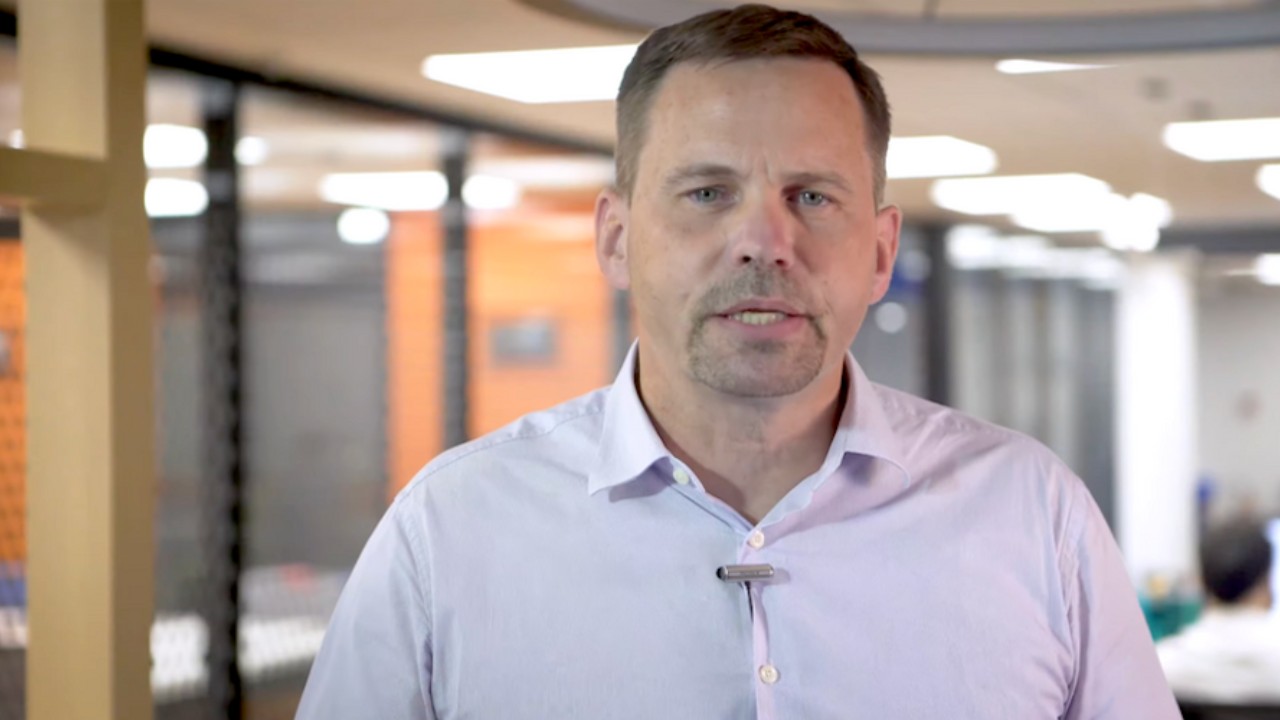
Albemarle Corporation has named Ragnar Udd as its next President and Chief Executive Officer, appointing a senior mining and commodity marketing executive to lead the lithium and specialty chemicals producer through a prolonged downturn in battery materials pricing. The company announced the succession plan on 3 September 2026 and filed the release with United States securities regulators the same day.
Udd will take up the role on 1 February 2027, or at an earlier date agreed between the parties, and will join the board of directors on appointment. He will leave his current employer at the end of January 2027.
He arrives from BHP, where he has served as Chief Commercial Officer since March 2024. Based in Singapore, that role carries global accountability for sales and marketing, procurement, maritime operations and the group view on commodity markets, and sits on the company executive leadership team.
Udd joined the mining group in 1997 and has spent more than 25 years in global resources across Australia, Asia, North America and South America. He served as President Americas from November 2020 to March 2024, leading the copper and potash businesses, and has also held the roles of interim Chief Technology Officer, asset president of the group Queensland coal joint venture, and vice president for logistics and infrastructure in its Western Australian iron ore business. Between 2016 and 2019 he led a Queensland resources industry body, and he has served as a director of copper and mining industry associations in the United States and Chile. He holds a Bachelor of Applied Science in mining engineering, a Master of Engineering and an MBA.
The appointment concludes an orderly transition at the top of the Charlotte-based producer. Kent Masters, who has served as Chairman and Chief Executive Officer, will become Executive Chair of the board on the start date and is expected to serve through the 2027 annual meeting, after which his continued service falls under the normal annual director nomination process. Lead independent director Gerald Steiner pointed to the incoming chief executive commercial and operational experience in natural resources as central to the board decision.
The choice signals where the board believes the next phase of value sits. Rather than recruiting from specialty chemicals, it has selected a mining and commodity marketing executive whose background is in resource extraction economics and long-cycle trading. That fits a company whose fortunes have become tightly coupled to lithium pricing and to the pace at which battery demand absorbs new supply. A chief commercial officer accustomed to reading commodity cycles at global mining scale is a materially different profile from a chemicals operator, and it suggests the board is prioritising portfolio discipline, cost position and market timing over product line expansion.
The five-month gap between announcement and start date also gives the company an unusually long runway to manage the handover, with the outgoing chief executive remaining in an executive capacity as chair. For a business navigating a depressed pricing environment, that continuity reduces the risk of strategic drift during the transition, though it also leaves an extended period in which two senior figures share the top of the organisation.