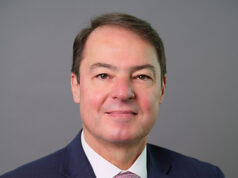


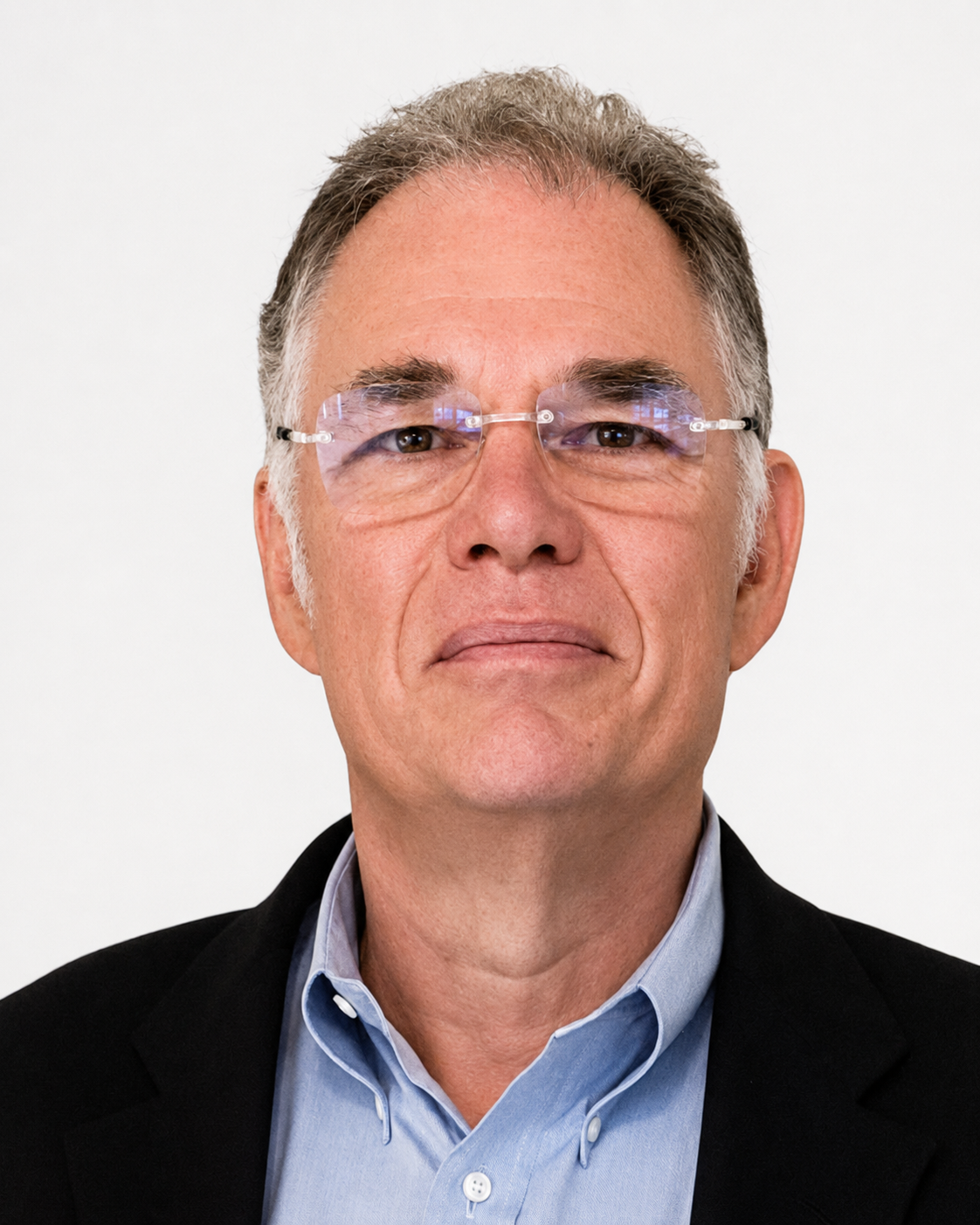
Tensive S.r.l. has appointed Peter Crosby as Chairman of its Board of Directors, effective July 8, 2026, tapping the veteran medical device executive as the clinical-stage company accelerates toward regulatory approval and commercialization of its REGENERA/SOFTAG bioresorbable breast reconstruction scaffold. Crosby, who has founded and led multiple implantable device companies across four countries and raised more than $200 million in public and private capital, succeeds Bill Hunter, MD, who served as chairman for the past two years. The move signals Tensive's transition from development to commercial stage operations at a pivotal moment, with the company in active regulatory discussions expected to yield European CE Mark approval in early 2027 and U.S. clearance to follow.
The appointment comes on the heels of positive pivotal trial results for REGENERA/SOFTAG, a minimally invasive bioresorbable implant designed to enable patients undergoing lumpectomy for breast cancer to reconstruct their own natural breast tissue. Interim data published in April 2026 in Updates in Surgery demonstrated strong safety profiles and high patient and surgeon satisfaction. Sanjay Kakkar, Chief Executive Officer of Tensive, praised Crosby's regulatory and commercialization expertise, stating that his strategic insight would be crucial as the company advances the device through marketing approval processes. Hunter's two-year tenure was credited with strengthening the company's governance and global network during critical clinical milestones, with Kakkar acknowledging his exceptional guidance and counsel.
Crosby brings a four-decade track record of shepherding implantable medical technologies to market across multiple regulatory jurisdictions. He was instrumental in Cochlear's early development as one of its founding employees, later founding Mainstay Medical, an Irish neurostimulation company focused on chronic low back pain treatment. Crosby led Mainstay from its 2010 Series A financing through a 2014 dual listing on Euronext Paris and the Irish Stock Exchange, subsequently guiding the ReActiv8 device to CE Mark approval in 2016 and U.S. FDA approval in 2020. Throughout his career, he has served as chief executive or chairman of seven medical device companies across public and private sectors and holds inventor status on more than 50 U.S. patents. Crosby holds an undergraduate degree in electrical engineering and a master's in biomedical engineering from the University of Melbourne.
Tensive, headquartered in Milan, is a clinical-stage advanced biomaterials company developing bioresorbable polymeric scaffolds for breast reconstruction and tissue marking. The company has raised approximately 23 million euros to date with strong investor backing. REGENERA/SOFTAG, which mimics a sponge-like scaffold matrix, addresses an established clinical need, with approximately 1.6 million women annually forgoing breast reconstruction after lumpectomy due to lack of viable options. The scaffold enables patients' own tissue to regenerate while gradually absorbing into the body, ultimately resulting in reconstruction composed of natural breast tissue. The implant also supports precision tissue marking to guide targeted radiotherapy delivery and monitoring for potential recurrence. Interim pivotal trial data in 94 breast cancer patients demonstrated strong safety profiles and encouraging secondary performance endpoints, with high levels of patient and surgeon satisfaction documented at six and twelve-month follow-up intervals.
Crosby's appointment appears strategically timed to capitalize on momentum in the development pathway. The company expects to submit regulatory applications to European authorities in early 2027, with first CE Mark approval anticipated shortly thereafter. The timing aligns with completion of patient enrollment in Tensive's 94-patient pivotal trial and interim positive findings that substantiate clinical viability. His presence on the board may signal investor confidence given his demonstrated ability to navigate complex regulatory environments and build commercial infrastructure in both developed markets. However, the company still faces the conventional risks inherent to medical device commercialization, including execution risk in manufacturing scale-up, competitive response from alternative reconstruction approaches, and the timing of actual regulatory approvals versus current expectations. Crosby's governance role will likely prove particularly valuable if regulatory dialogues require strategic modifications to clinical or technical approaches.